A new noise on the morning commute. A warning light that appears without explanation. A car that suddenly feels different behind the wheel. Vehicle problems can leave you with plenty of questions—and you shouldn’t need automotive expertise to get clear answers.
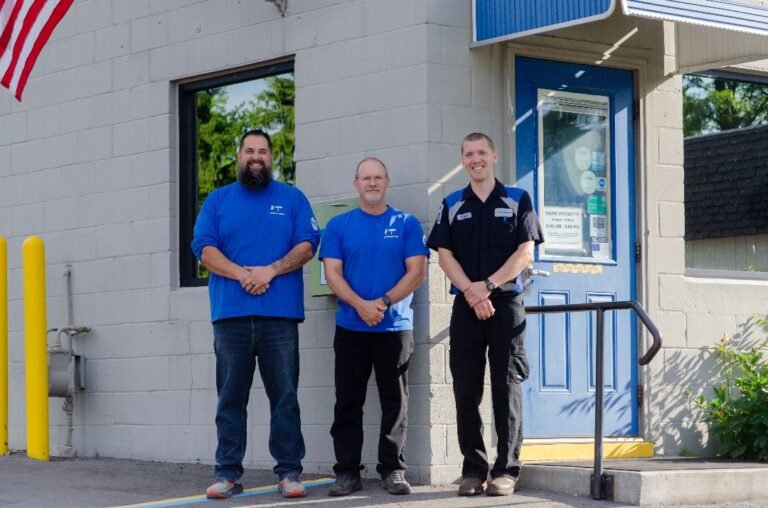
At Saline Automotive, we believe a better repair experience starts with communication. Drivers deserve to feel heard, understand their options, and know what to expect before work begins. From routine maintenance to an unexpected repair, here’s what that experience should look like.
Good Auto Repair Starts With Listening
You know how your vehicle usually sounds, feels, and drives. When something changes, your observations are an important starting point—even if you don’t know the technical name for the problem.
A helpful service conversation gives you room to explain what you’ve noticed. Does the noise happen when you brake? Does the vehicle hesitate only when you first start it? Did the warning light appear alongside a change in performance?
Focused questions help a technician understand the concern and decide what to investigate. Just as importantly, listening shows respect for your experience. You shouldn’t have to arrive with a diagnosis. Describing what feels different is enough to begin the conversation.
Clear Explanations Make Repair Decisions Easier
Once the problem has been diagnosed, you should receive an explanation you can understand—not a list of unfamiliar parts and technical terms.
A useful repair recommendation answers a few essential questions:
- What did the technician find?
- How does it affect the vehicle?
- What will the recommended repair address?
- Which items need attention now, and which can wait?
- What is the expected cost?
When several issues need attention, prioritization matters. A safety concern should be clearly distinguished from maintenance that can be scheduled for a later visit. A written estimate helps put the recommendations, costs, and available options in one place so you can review them without feeling rushed.
The goal is to help you make an informed decision, not leave you guessing about what you’re approving.
You Should Know What to Expect Before Work Begins
Questions are a normal part of auto repair. You should feel comfortable asking why a service is recommended, what could happen if you postpone it, or whether another option is available.
Before work begins, you and the shop should have a shared understanding of:
- The work you’ve authorized.
- The estimated cost.
- The expected timeline.
- How you’ll receive updates.
- How additional findings or recommended work will be handled.
Some repairs involve uncertainty, and an inspection may uncover something that changes the original plan. Clear updates give you a chance to understand those findings and approve or decline additional work before it happens.
Trust grows when the conversation continues throughout the repair—not just when it’s time to pay.
Routine Maintenance Helps You Plan Ahead
Dependable vehicle care involves more than fixing problems after something stops working. Regular maintenance creates opportunities to address wear and identify developing concerns before they disrupt your schedule.
Depending on your vehicle’s needs, that care may include:
- Oil changes to help protect engine components.
- Tire checks for pressure, tread condition, and uneven wear.
- Brake inspections to assess pads, rotors, and related components.
- Fluid checks and services.
- Scheduled maintenance based on age, mileage, and manufacturer recommendations.
A practical maintenance plan should reflect your vehicle and how you use it. It should also help you distinguish what’s due now from what you can budget for over the coming months.
Having a consistent place to ask questions can make that planning easier. Instead of treating every visit as a separate event, you can build a clearer picture of your vehicle’s needs over time.
Unexpected Problems Need Careful Diagnosis
A warning light, fluid leak, unusual noise, or starting problem can have more than one possible cause. That’s why quality repair begins with an investigation—not simply replacing the part that seems most likely to be responsible.
A technician may need to review the symptoms, inspect related systems, and perform appropriate tests to identify the underlying issue. The process can vary depending on the vehicle’s design, condition, and maintenance history.
You can help by sharing:
- When the problem started.
- Whether it happens consistently or occasionally.
- What driving conditions seem to trigger it.
- Any other changes you’ve noticed.
You don’t need to troubleshoot the vehicle yourself. If it feels unsafe to drive, seek professional guidance before continuing.
Once the findings are available, the explanation should make clear what needs immediate attention, what can be monitored, and what may be planned for a future visit.
Quality Repairs Include Attention to the Details
Identifying the cause is only part of the job. A dependable repair also requires suitable parts, appropriate procedures, and attention to the surrounding components.
Depending on the work, that can mean checking connections, fasteners, fluid levels, settings, or related systems—not just installing a replacement part.
Checks after the repair matter, too. These may include verifying system operation, inspecting for leaks, confirming that a warning light has been addressed, or completing a test drive when appropriate and safe.
Before you leave, you should understand what was found, what was repaired, and whether any follow-up is recommended. Those checks cannot prevent every future issue, but they help establish whether the reported concern has been addressed.
A Local Shop Can Make Vehicle Care More Personal
Choosing an auto repair shop in Saline is about more than finding a convenient location. It’s also an opportunity to build a relationship with people you can return to for questions, maintenance, and unexpected repairs.
Over time, service records and ongoing conversations create useful continuity. You spend less time starting from scratch and more time discussing what makes sense for your vehicle, your driving habits, and your budget.
Local context matters as well. Seasonal weather, rough roads, short trips, and stop-and-go driving can all be part of the conversation about wear and maintenance. Recommendations should connect those conditions to your vehicle’s actual needs rather than treating every driver the same.
Make Your Next Repair Decision With Confidence
You deserve more than a completed repair. You deserve clear answers, respectful service, and a practical understanding of what your vehicle needs.
Whether you’re keeping up with scheduled maintenance or trying to understand a new concern, the process should leave you informed—not pressured.
Contact Saline Automotive to discuss your vehicle’s needs and schedule your next service visit.